

Classroom-Ready SEL Activity Bundles for K–12 Students

Today we spotlight Classroom-Ready SEL Activity Bundles for K–12 Students, created to help busy educators nurture connection, empathy, resilience, and responsible decision-making without reinventing the wheel. Inside you will find flexible routines, adaptable prompts, and research-informed strategies that fit real schedules, diverse learners, and the joyful, sometimes messy rhythm of authentic classroom life.

Launch Routines that Build Connection from Day One

Elementary Warm-Up Prompts that Spark Courage

Young learners thrive when the first minutes invite voice and wonder. Use color-card feelings check-ins, stuffed-animal sharing circles, and drawing choices that let shy students participate nonverbally. A first-grade teacher reported a quiet student finally sharing after drawing a rainbow of feelings, inspiring classmates to listen with patience and celebrate brave beginnings.

Middle Grades Energy Regulators that Recenter Focus

Tween energy needs healthy direction. Try two-minute paced breathing, stand–sit rhythms, and quick peer greetings with sentence stems that normalize emotional language. A seventh-grade class adopted a “reset triangle” routine and saw fewer hallway blowups before science, because students practiced naming frustration, requesting space, and returning with a plan everyone could respect.

High School Belonging Builders that Respect Autonomy
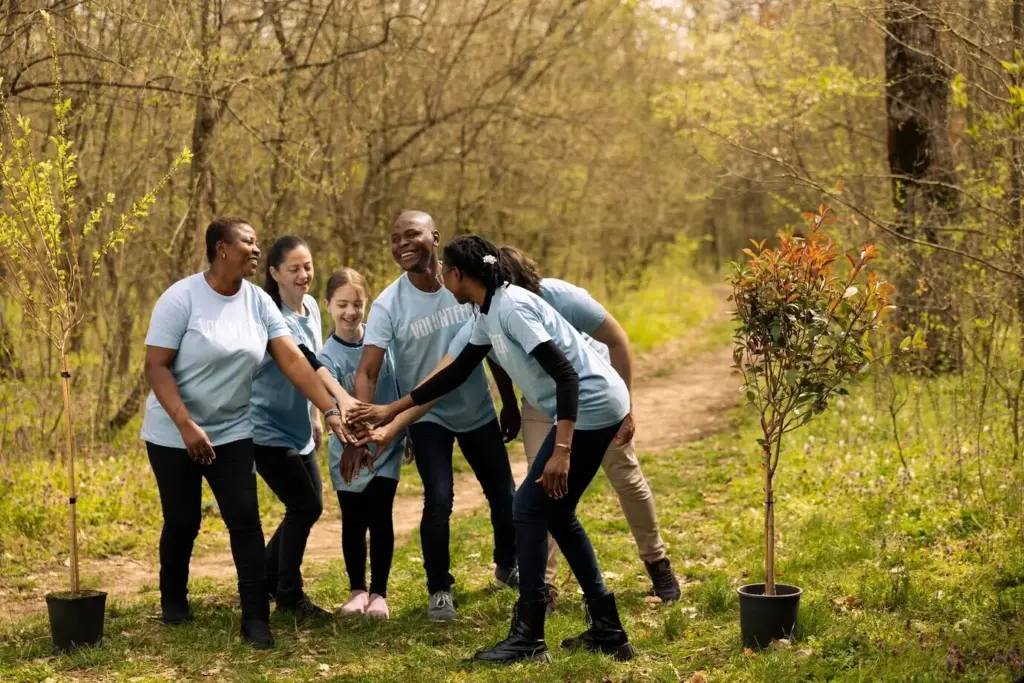
Older students appreciate choice, privacy, and purpose. Use anonymous check-in forms, rotating student-led icebreakers, and short controversy-free debates to develop empathy without performative pressure. One senior advisory used weekly “wins and wisdom” postcards; responses stayed optional, yet participation grew steadily as trust deepened and peers noticed how validation strengthened motivation across tough weeks.

CASEL-Aligned Skills in Action

Each bundle maps directly to recognized competencies: self-awareness, self-management, social awareness, relationship skills, and responsible decision-making. Activities include clear I-can statements, sample teacher language, and reflection prompts. Meta-analyses suggest SEL boosts academic outcomes, attendance, and well-being; these ready-to-use structures make translating that evidence into daily practice simple, practical, and joyful.

Differentiation, Accessibility, and Universal Design

Every classroom holds diverse strengths and needs. Bundles embed multimodal entry points, scaffolded language supports, and sensory-friendly options so students can engage without stigma. Clear visual icons, multiple response formats, and choice boards help instructors personalize without losing structure, while extension paths challenge advanced learners and preserve equitable participation across the room.

Student Voice Rubrics and Reflective Conferencing

Co-create criteria with learners to define what listening, empathy, or repair looks like. Short conferences prioritize student stories and next steps. One sixth-grader recognized he interrupts when excited; together they set a two-breath cue before speaking. Ownership increased, and peers noticed meetings flowed more smoothly as everyone practiced measured, mindful participation.

Quick Data, Real Insights, Zero Busywork

Gather meaningful evidence with color-coded exit slips, tally marks for turn-taking, and one-sentence journals. A teacher tracked “restarts after setbacks” during math, noticing SEL routines correlated with persistence. Sharing patterns with students shifted mindsets: mistakes were signals, not verdicts. The class proudly named themselves “The Iterators,” celebrating progress over immediate perfection.

Cross-Curricular Tie-Ins that Multiply Impact

SEL sticks best when woven into academic work. These bundles pair literacy circles with empathy maps, math problem-solving with perseverance routines, and science labs with ethical reasoning. By embedding emotional skills into genuine content, students practice transfer, teachers save time, and the classroom climate becomes a steady launchpad for rigorous, collaborative inquiry.

ELA: Story-Driven Empathy and Perspective-Taking

Reading conferences include character feelings charts and alternative endings that repair harm. Book clubs use “listen, lift, link” prompts to value quieter voices. When a class compared two protagonists’ choices, students wrote letters offering compassionate advice, realizing that understanding motives deepens comprehension and strengthens writing because nuanced emotion clarifies cause, effect, and consequence.

Math: Productive Struggle and Growth Language

Use error celebrations, think-alouds, and peer “noticings” to normalize revision. A seventh-grade class posted personal persistence strategies near whiteboards, cutting off-task behavior during multi-step problems. By pairing timer-based breaks with calming breath and shared heuristics, students stayed engaged longer, reframing difficulty as an invitation to collaborate, test reasoning, and return with clearer plans.

Science: Inquiry, Ethics, and Collaborative Precision

Lab teams practice role rotation, consent for task choices, and debrief protocols that separate data from blame. In a biology unit, students designed a community garden proposal, weighing environmental benefits with access equity. Their presentation included respectful disagreement stems, demonstrating how evidence-based conversation advances learning while honoring values, stakeholders, and shared responsibility.

Implementation Roadmap and Community Support

A 90-Day Pacing Calendar You Can Trust

Weeks one to three establish routines; weeks four to eight deepen skill practice; weeks nine to twelve integrate cross-curricular projects. Checkpoints help you adjust load and pace. Teachers report less planning stress because each step clarifies what to try, what to observe, and how to respond compassionately to the community in front of you.

Co-Teaching, Mentoring, and Staff Collaboration

Share facilitation, model language, and rotate observation roles. A duo of teachers scheduled five-minute post-class huddles using a simple “keep, tweak, try” structure, preventing initiative fatigue. Invite counselors, paraprofessionals, and student leaders to co-create norms, building capacity and continuity so SEL survives schedule shifts, testing seasons, and the daily surprises learning inevitably brings.

Share Your Wins, Questions, and Bright Ideas

Your classroom stories make these bundles better. Post strategies that worked, record new prompts, or ask for adaptations for unique contexts. Invite families to contribute calming music playlists or gratitude traditions. As participation grows, the library evolves into a living exchange where everyone benefits from collective wisdom, practical tweaks, and generous encouragement.
Lavumurekexiropuka
Privacy Overview

This website uses cookies so that we can provide you with the best user experience possible. Cookie information is stored in your browser and performs functions such as recognising you when you return to our website and helping our team to understand which sections of the website you find most interesting and useful.